
For builders, architects, and residential construction professionals, window selection plays a critical role in overall project performance. As energy codes tighten and homeowner expectations rise, choosing the right window system impacts efficiency, comfort, budgets, and long‑term client satisfaction.
This guide reframes window selection from a professional perspective—focusing on buildability, code compliance, structural considerations, and design flexibility to help you specify window packages that support both project workflow and high‑performance outcomes.
Why Window Selection Matters for Building Professionals
Windows influence a home’s thermal performance, natural lighting strategy, acoustics, ventilation, and façade design. Poor choices can lead to callbacks, moisture issues, failed inspections, or long‑term client dissatisfaction.
Modern window systems are engineered to meet evolving energy and structural codes, accommodate larger openings, and support more contemporary architectural aesthetics. Partnering with reliable, well‑engineered window solutions helps streamline your build cycle and reduces risks.
Performance Features to Prioritize
Energy Efficiency & Code Compliance
With higher performance requirements across climate zones, pros must specify window systems that meet or exceed regional U‑factor, SHGC, and ENERGY STAR® thresholds.
Key technologies to consider:
- Low‑E coatings engineered for climate‑appropriate solar control
- Double- and triple-pane IG units for improved thermal resistance
- Gas fills (argon or krypton) to reduce heat transfer
- Thermally improved frames for enhanced efficiency
Choosing the correct configuration early ensures smoother permit approvals and less rework later.
Durability & Weather Resistance
Builders and architects need systems that withstand job-site conditions and long-term exposure. Look for:
- Reinforced corners and frame stability
- DP ratings suitable for local wind/load requirements
- High-quality seals to prevent air & water infiltration
Durable materials minimize install issues and callbacks.
Acoustical Performance
For infill, urban, or high‑traffic projects, window assemblies with enhanced sound control glazing can dramatically improve interior comfort and marketability.
Choosing the Best Window Materials for Residential Builds
Vinyl Windows
Cost-effective, low maintenance, and highly energy-efficient—ideal for production and mid‑range homes. Vinyl’s stable performance across climates makes it a go‑to for builders balancing budget and reliability.
Wood Windows
Preferred for custom homes, remodels, and architect‑driven designs. Wood provides:
- Superior insulation
- Architectural versatility
- Warm, premium aesthetics
With proper finishing, wood windows deliver timeless design integrity and meet high-performance requirements.
Aluminum Windows
Engineered for:
- Modern architectural styles
- Narrow sightlines
- Large spans and openings
Thermally broken aluminum frames help meet stricter energy standards while maintaining structural strength.
Ideal for builders and architects prioritizing durability and dimensional stability. These materials emulate the look of wood with the resilience of advanced engineered components—excellent for demanding climates or long-term performance guarantees.
Window Styles That Support Function, Aesthetics & Build Requirements
Versatile, easy to operate, and suitable for a wide range of elevations and architectural styles. A solid choice for spec homes, remodels, or large multi‑home developments.
Offer superior ventilation, tighter seals, and clean sightlines. Frequently used by architects for modern, energy-efficient designs or hard‑to‑reach areas.
Sliding, Picture & Specialty Shapes
- Sliders: Simple, space‑efficient, and contemporary
- Picture windows: Expand daylighting plans and create dramatic focal points
- Specialty shapes: Provide custom design flexibility and broaden architectural expression
These options help builders and architects balance ventilation strategies with aesthetic goals.
Aligning Windows With Architectural Intent
Window selection should support the overall design language. Consider:
- Frame color and finish integration
- Grille patterns aligned with architectural style
- Proportions that reinforce façade balance and fenestration patterns
JELD‑WEN’s customization options help you match materials and finishes across product lines for consistency across the full envelope.
2026 Window Trends Influencing Residential Construction
Professionals are increasingly considering:
- Sustainable manufacturing & materials to support green building standards
- Advanced glazing technologies that enhance comfort without compromising daylight
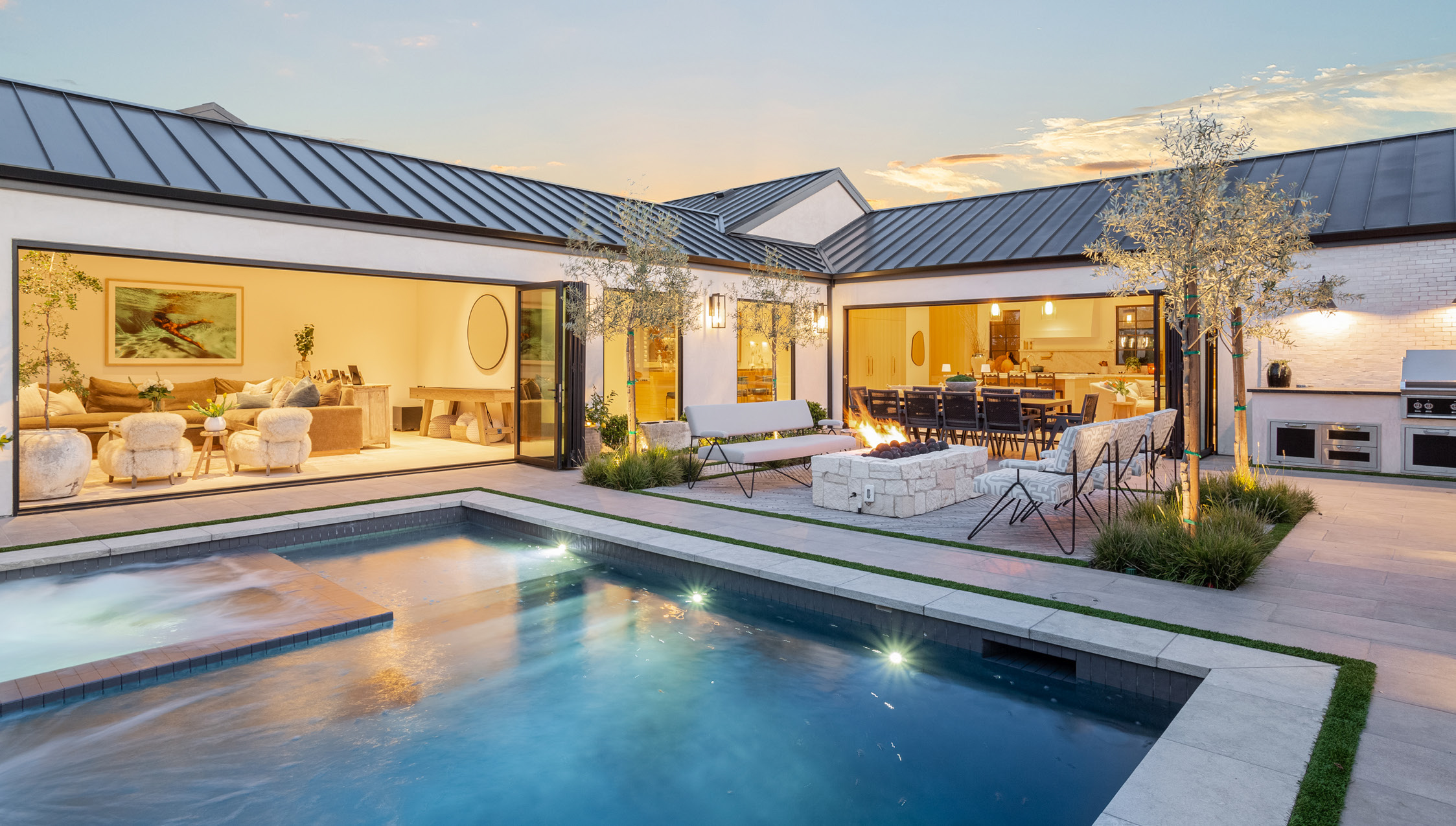
- Larger openings & indoor‑outdoor transitions supporting modern living patterns
- Flexible configurations that align with evolving architectural demands
These trends give pros the tools to deliver homes that feel modern, efficient, and future‑focused.
Professional Installation: Why It Matters
Correct installation protects performance ratings, reduces job‑site issues, and maintains the integrity of manufacturer warranties. Trained installers help prevent the issues that lead to callbacks:
- Air/water infiltration
- Operational problems
- Premature component failure
Using certified installers or installation partners ensures the window package performs exactly as designed.
Specify with Confidence
Balancing performance, buildability, and design intent is essential for today’s residential construction professionals. With a wide range of materials, styles, and performance options, JELD‑WEN provides solutions engineered to meet the demands of builders, architects, and the homeowners you serve.
Together, We Build Better.
Comments are closed.